














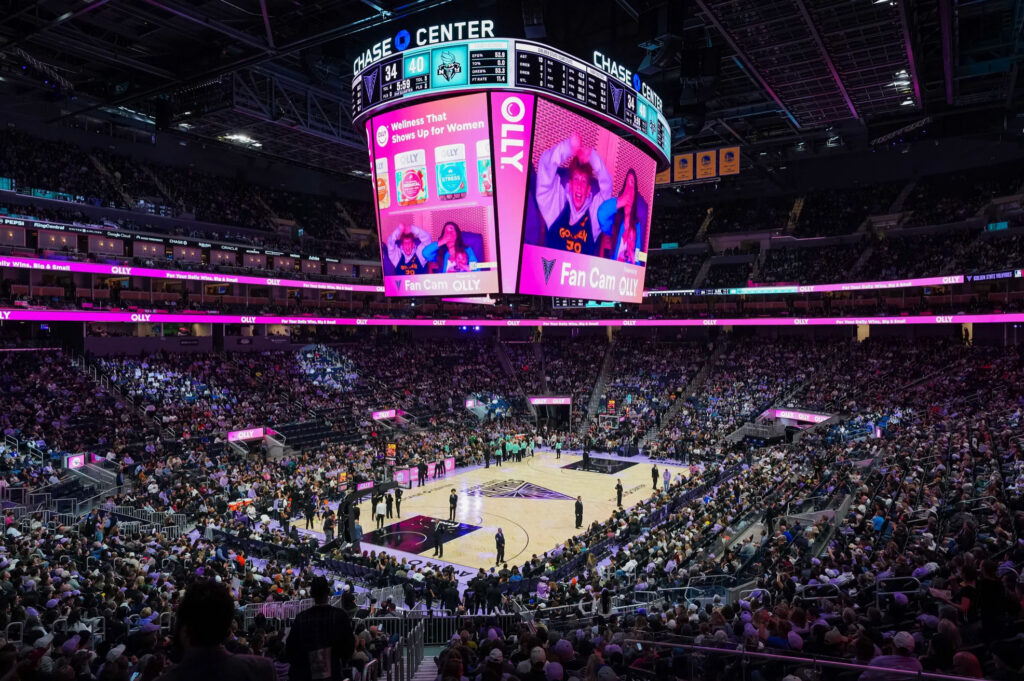
Last week, the Philadelphia Ad Club and MOD Worldwide hosted a first-of-its-kind conference exploring the economic and cultural forces driving the rapid growth of women’s sports in Philadelphia. This event brought together brand leaders, sports executives and marketers in the city to learn how the launch of new leagues and athletes building their cultural influence beyond the playing field are driving fans to show up in record numbers.
According to McKinsey, women’s sports could generate at least $2.5 billion in value for U.S. rights holders by 2030, up from $1 billion in 2024. That momentum reflects years of work by athletes and advocates who drove media coverage, expanded seasons and championed new professional leagues – all to create opportunities for fans to discover women’s sports in ways that weren’t always possible. For brands, the opportunity to invest in women’s sports is clear; the challenge is figuring out how to invest in it well.
A Logo is Not a Game Plan
Securing sponsorship rights can open the door to a new audience, but ultimately the brand’s strategy determines whether that investment will deliver business value. Too often, sponsorship strategy starts with the assets included in a deal: signage, social posts, tickets, athlete appearances and logo placement. While these assets have a role, a checklist of benefits is not the same as a strategy. Brands can fulfill every contractual obligation and still struggle to explain what the partnership accomplished. Logo rights create the opportunity, but the brand’s strategy gives the investment a purpose.
Big isn’t Always Better
When it comes to sports partnerships, bigger can often seem better. Major leagues and recognizable athletes offer significant visibility, but they represent only part of the women’s sports ecosystem. Smaller-scale partnerships, such as those with collegiate programs, youth sports, emerging leagues and local fan communities, offer different ways to connect with audiences. A national campaign may call for a major league partnership, while a community-focused brand may find greater value in local events or collegiate programs. Brands should assess opportunities across the ecosystem and prioritize those that align with their audiences, resources and goals. For brands seeking authentic fan connections, there is value in looking beyond the biggest names in the league.
Sidelines are Risky
As women’s sports gain commercial momentum, waiting for others to prove the benefits carries its own risk. Authentic connections aren’t built overnight, and brands that wait too long to invest may miss out. Rather than entering a crowded space with competitors, brands that invest early can help shape the industry and build a distinctive presence while demonstrating a genuine commitment to its audiences.
Before attempting a slam dunk, brands need to be intentional about who they partner with. It’s important to define what success looks like for the brand, and choose measures that align with those goals – from awareness and engagement to consideration and customer relationships. Those insights can help brands refine their approach and make smarter investment decisions moving forward.
Make a Long-Term Play
Women’s sports have made significant progress over the past six years, but continued growth will depend on sustained and genuine investments from brands, media, leagues and communities. Seeing how quickly these leagues are growing can make it tempting to want to get involved in every way possible, but brands shouldn’t invest in every property, because short-term visibility isn’t necessarily the most valuable. Instead, they should view these partnerships as a long-term investment. By seeking out opportunities that align with their ongoing goals, brands will build deeper connections with fans and contribute to the sport’s growth over time.