



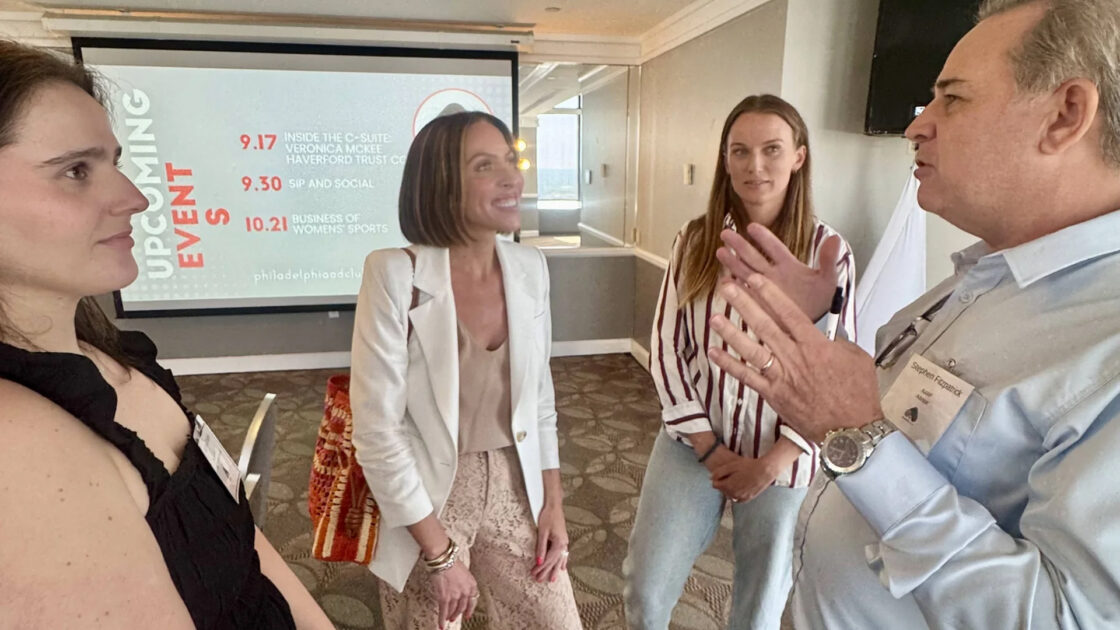

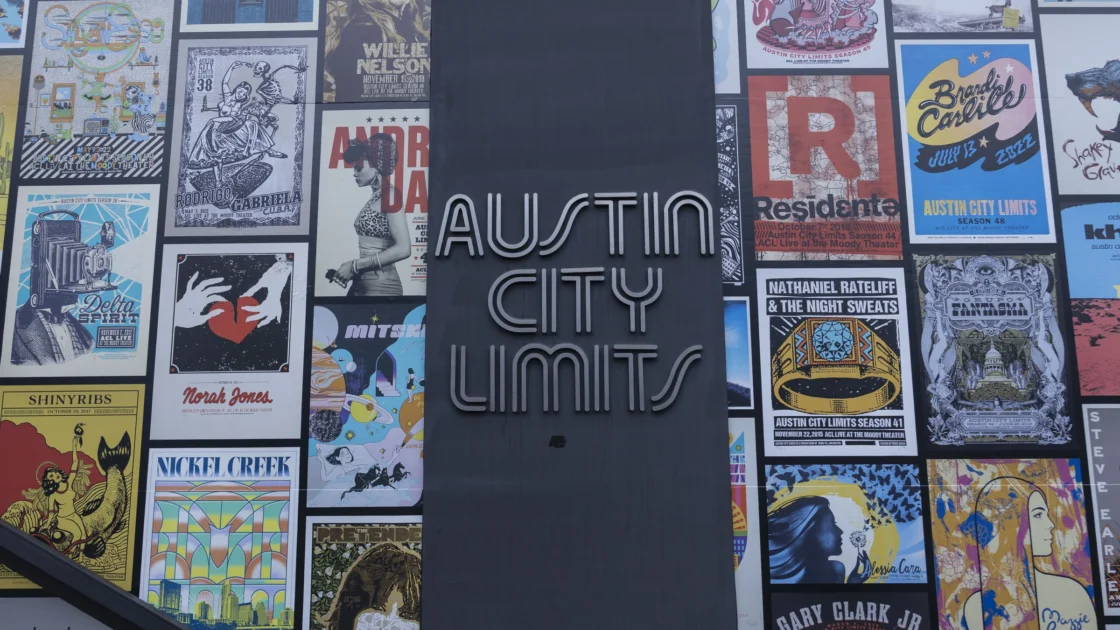
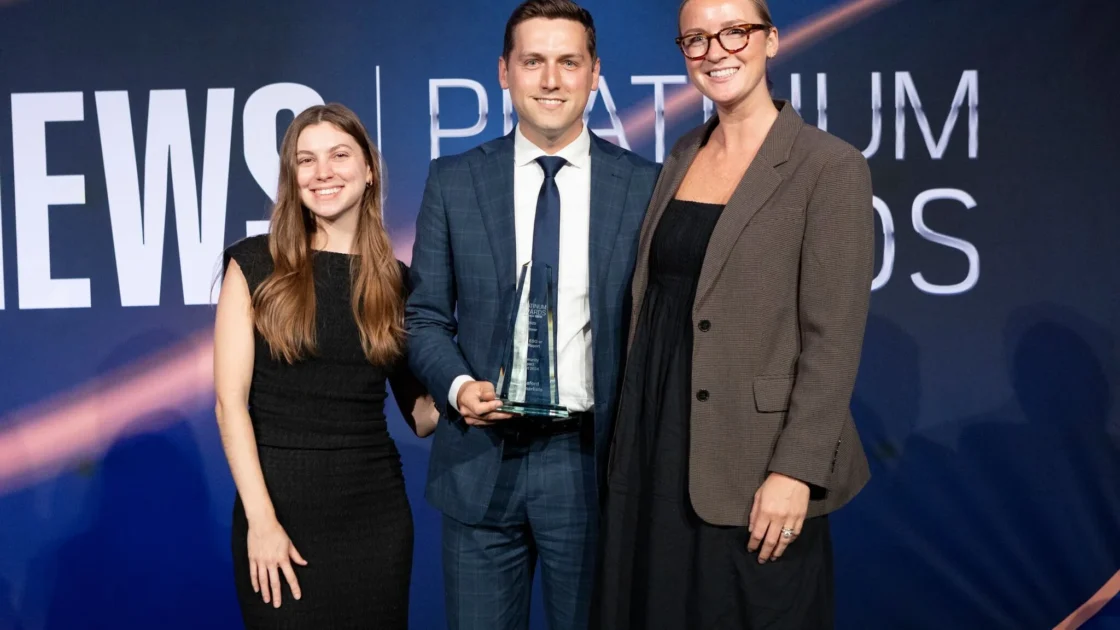

It felt fitting to spend this week in Austin with 200 indie agency folks from around the world at the Worldwide Partners TRANSFORM 26 Global Summit, where unsurprisingly, AI was everywhere. And honestly, “Keep Austin Weird” feels like a pretty good lens for this conversation. While enjoying every bit of weird that Austin offers, it hit me: weirdness isn’t a flaw in the creative process. It’s usually proof that a real person was there. It’s the offbeat observation, the slightly strange choice, the imperfect line reading, the idea that wasn’t pre-sanded and safety-checked into oblivion. In PR, weird is where the texture lives. And texture is what makes communication feel human, memorable, and worth paying attention to. If AI is pushing us toward polish and speed, maybe the real competitive advantage isn’t becoming smoother. Maybe it’s becoming a little weirder in all the right ways.
I sat in on a session with Rebeca Hwang that did something rare: it made AI feel less like a productivity sermon and more like a creative wake-up call. Which was refreshing, because most AI talk right now sounds like it was generated by a very efficient spreadsheet. Faster! Cheaper! Scalable! Revolutionary! But, also deeply boring.
Hwang’s point landed harder for me. The question isn’t whether AI can help us move faster (of course it can and it is). The real question is what we lose if efficiency becomes the whole story for our industry. I believe that’s the tension worth paying attention to. AI is brilliant at knowledge; it can synthesize, summarize, predict, and produce with alarming confidence. But experience? That’s different. Experience is lived. It’s messy, emotional, contradictory, occasionally irrational and yes, weird. In other words, exactly the stuff that creates connection through communication.
A brand doesn’t earn attention because it is technically correct. It earns attention because it feels true. And truth, inconveniently for the machines, usually comes with a little imperfection and weirdness. One of the most memorable ideas from Hwang’s session was that imperfections aren’t bugs in human creativity; they’re often the feature and perhaps our competitive advantage in the AI age. Mistakes, awkward pauses, unexpected turns: those are signals that a real person was in the room to make a connection. Hwang posed this: If AI gives us more time, the trap we must resist is filling it with more output. The opportunity is filling it with better judgment and outcomes. And yes, that means protecting the human stuff: shared experience, emotional intelligence, cultural fluency, creative risk.
The challenge for advertising and PR isn’t to become more machine-like. It’s to become more unmistakably human. More discerning. More original. More willing to say something original, even if it’s a little imperfect. Maybe especially if it’s a little imperfect.
Because in a world full of perfectly generated everything, the most radical thing we can do is sound like a real person who’s actually been somewhere, felt something, and has the nerve to mean it.
So maybe the assignment isn’t to become more efficient versions of ourselves. It’s to protect the strange, beautifully imperfect parts that make us worth hearing in the first place. AI can help us move faster and do more, but weirdness is what helps us mean more.