






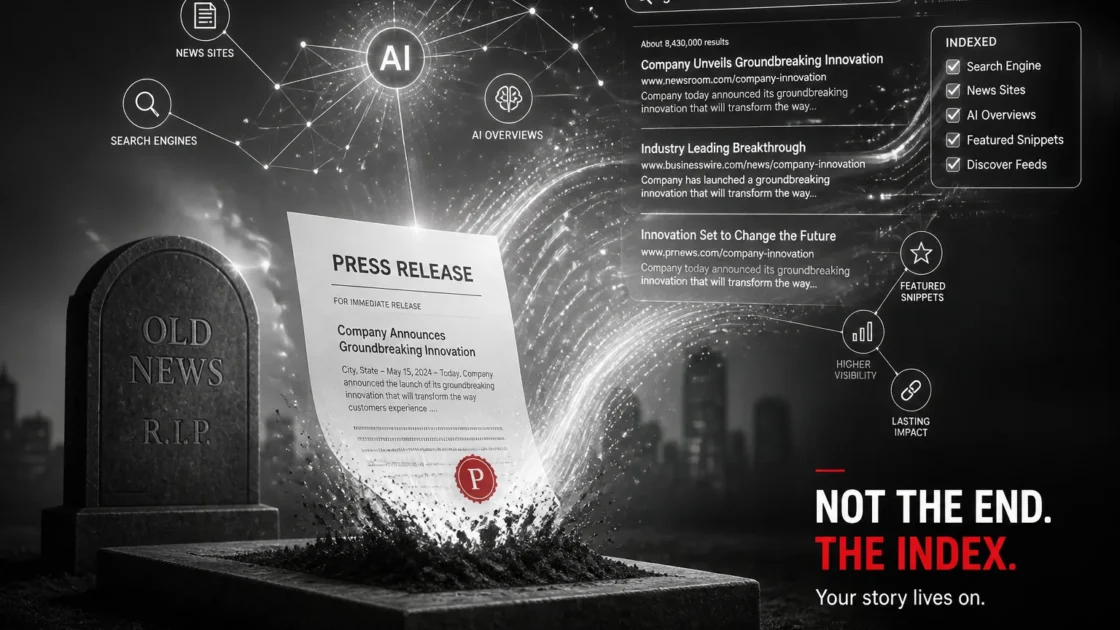




The Philly Ad Club hosted 100+ media and marketing pros today at its AI Shaping Discovery event, and there was no shortage of technical talk about query fanout, structured content, the demise of Google’s 10 blue links, and even the notion of AI knowing what’s in our fridge before we do (yikes).
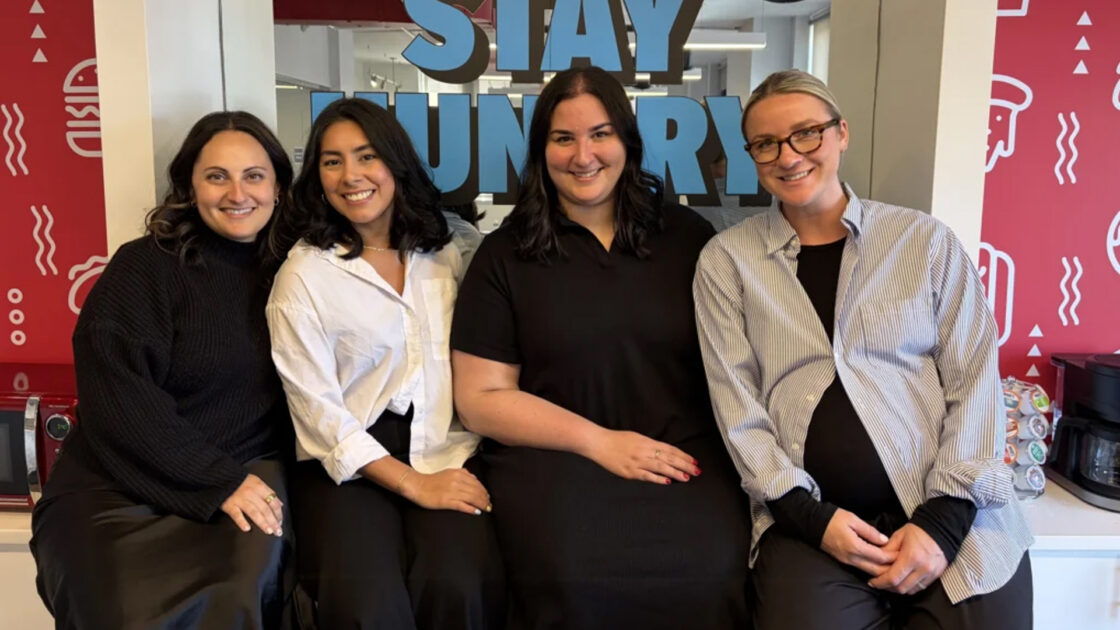
But the conversation quickly moved past tech talk to address a bigger question: are we here to optimize content or optimize relevancy? From Red Thread PR’s seat on the stage, we believe it is high time for the latter.
The takeaways that got us talking:
Stop writing for the algorithm. Start writing for the answer.
For too long, content has been built around what we hope a search engine will notice. But audiences are asking layered questions. They want comparisons, context, credibility and clarity. Brands need to understand the questions they want to influence, then build the strongest possible answer around them. That means earned and owned content have to work together. Earned creates validation. Owned creates utility. Both need to be clear, useful and structured so people and AI platforms can understand them.
Share of voice isn’t enough. Share of answer is the metric to master.
Share of voice still matters but share of answer matters more. AI search adds a sharper question: when someone asks about your category, product, issue or competitors, does your brand show up in the answer? And if it does, is it accurate, prominent, credible and sourced from places you want associated with your brand? A brand can have awareness and still lose the answer.
Sustained trumps sizzle.
This is a tough one to accept, but the reality is recency matters – especially when it comes to consumers prompting AI on trending topics. Trend queries rely heavily on credible third-party content, like news media, from the last 6-12 months. AI is not just serving up the freshest content; it’s bringing the most authoritative forward. So, yesterday’s headline in the Wall Street Journal does matter, but yesterday’s story coupled with steady headlines over the last year matters more. Durability over one-hit wonders.
Reputation optimization is the new keyword optimization.
It’s time to look beyond whether a brand appears in the answer and start asking better questions: Is the answer accurate? Is it balanced? Is it pulling from sources that reflect the brand fairly? Is it surfacing old issues, outdated information or commentary without the right context? This doesn’t mean every brand has a reputation issue. It means every brand has a new reputation opportunity. The brands that pay attention now can identify gaps, reinforce proof points and make sure the story AI is learning is closer to the story they have actually earned.
Because in AI discovery, visibility is only the first step. Trust is the work.